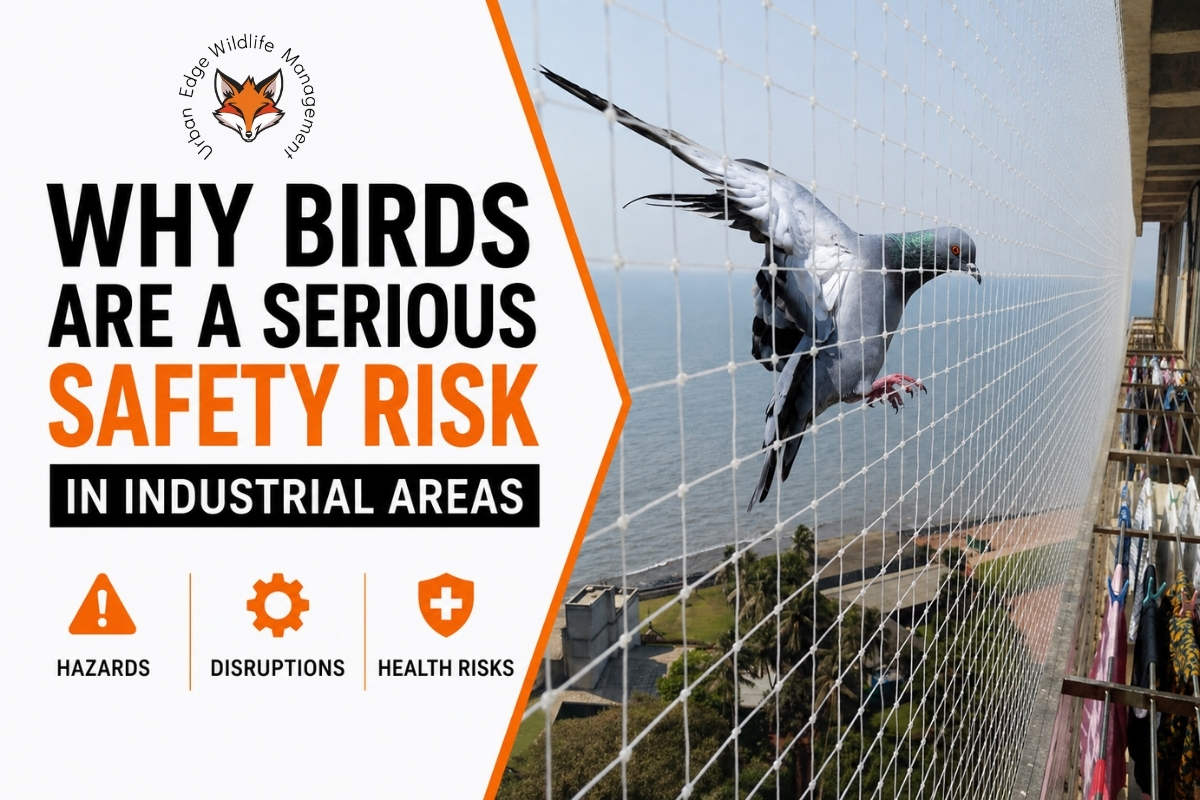

When most people picture a workplace hazard, they think of forklifts, faulty wiring, or chemical spills. Birds rarely make the list. Yet across Western Australia, pigeons, starlings, sparrows and gulls are quietly causing some of the most expensive and dangerous problems on industrial sites. From contaminated stock to slip injuries and fire risks, the damage builds up long before anyone connects it back to the flock roosting in the rafters.
If you manage a warehouse, factory, distribution centre or processing plant, here’s why bird control deserves a proper spot on your safety register, not the bottom of the maintenance list.
The Hidden Cost of Doing Nothing
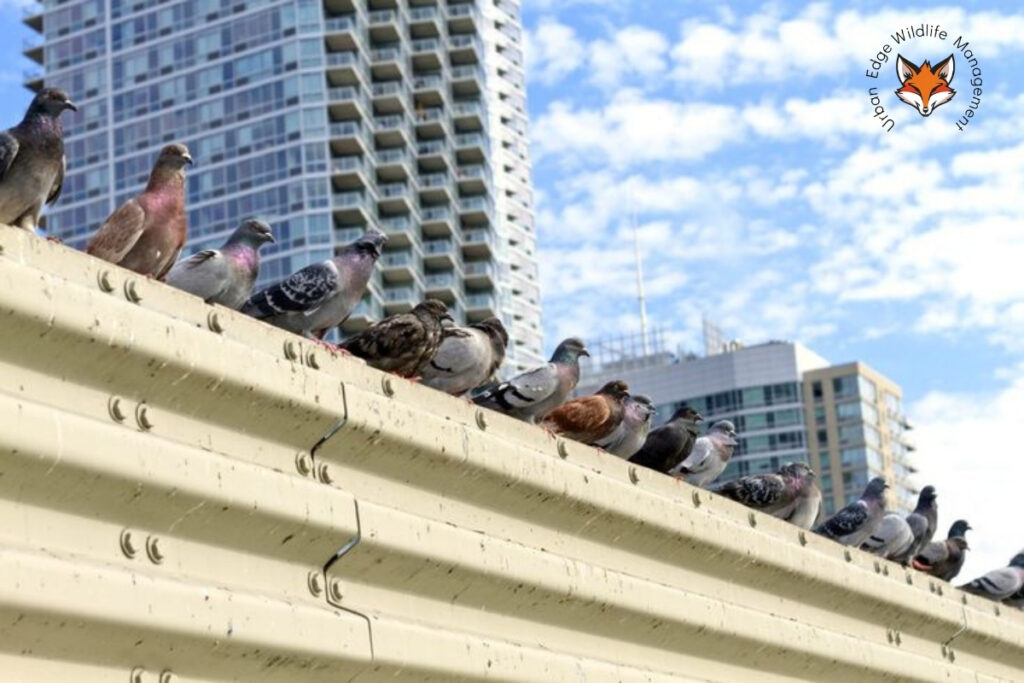
A few birds in the eaves doesn’t sound like a crisis. But industrial sites offer everything birds want, sheltered ledges, warm machinery, spilled grain or product, and very little human disturbance after hours.
The trouble is that the damage compounds quietly. Droppings accumulate on walkways, beams and stock. Nesting material clogs gutters, vents and machinery. Feathers and dust circulate through the air. By the time managers notice, the cost of remediation often dwarfs what proactive bird control would have cost in the first place.
Slip Hazards and Worker Safety
Bird droppings are slippery when wet, comparable to ice on a smooth concrete floor. On loading docks, mezzanines, external stairs and roof access points, this turns ordinary surfaces into genuine fall risks. Under WA work health and safety law, sites are required to identify and eliminate hazards like these, and “we didn’t realise” isn’t a defence when a worker ends up in hospital.
It’s not just slips, either. Aggressive nesting birds particularly magpies and gulls will swoop staff during breeding season, which has led to documented injuries on industrial yards across Perth and regional WA.
Disease and Contamination Risks
This is where bird problems get serious. Pigeon and starling droppings can carry pathogens including Salmonella, E. coli, psittacosis and histoplasmosis. In food processing plants, abattoirs, breweries and pharmaceutical facilities, that’s a direct contamination threat, one that can trigger product recalls, audit failures and lost contracts.
Even on non-food sites, dried droppings break down into airborne dust that workers breathe in. Cleaning crews tasked with removing accumulated guano without proper PPE face a real occupational health hazard, and that’s before you factor in the mites and parasites that travel with bird colonies.
Structural and Equipment Damage
Bird droppings are acidic. Left on metal cladding, machinery, vehicles or solar panels, they eat into paint, corrode steel and degrade rubber seals over time. Roof-mounted plants, air conditioning units, exhaust fans, conveyor systems are particularly vulnerable because it’s rarely inspected closely.
Nesting material creates its own problems. Twigs, feathers and debris pack into gutters and downpipes, causing water to back up and flood internal areas during the next downpour. Worse, dry nests built around hot lighting, electrical conduits or rooftop machinery have been linked to industrial fires. Insurance assessors increasingly flag bird activity as a contributing risk factor on claims.
Operational Disruption
Birds inside a warehouse don’t just leave a mess. They trigger pest audits, fail hygiene inspections, set off motion se//nsors at odd hours, and damage stored goods. Logistics and cold storage operators have reported entire pallets written off because of contamination from a single nesting pair above the racking.
For sites running ISO, HACCP or other accredited management systems, an unresolved bird issue can put certification at risk and with it, the contracts that depend on those credentials.
What Proper Industrial Bird Control Looks Like
Effective industrial bird control isn’t about chasing flocks off with a broom. It’s a layered approach that starts with a proper site assessment: identifying the species, the entry points, the food sources and the roosting hotspots.
From there, a tailored plan might combine exclusion (netting, spikes, mesh on vents and beams), habitat modification, licensed removal where required, and ongoing monitoring.
For sites already dealing with established populations, commercial pest management specialists can move quickly to reduce numbers while longer-term proofing is installed.
The Bottom Line for WA Site Managers
Birds aren’t going to leave on their own, and the problem only gets more expensive the longer it sits. A two-hour site inspection and a phased control plan will almost always cost less than one slip claim, one failed audit, or one rejected shipment.
If birds are roosting, nesting or feeding on your industrial site, get a professional assessment before the next inspection or the next wet morning on the loading dock.
Get in touch with Urban Edge Wildlife Management for licensed, compliant bird control across Western Australia.